

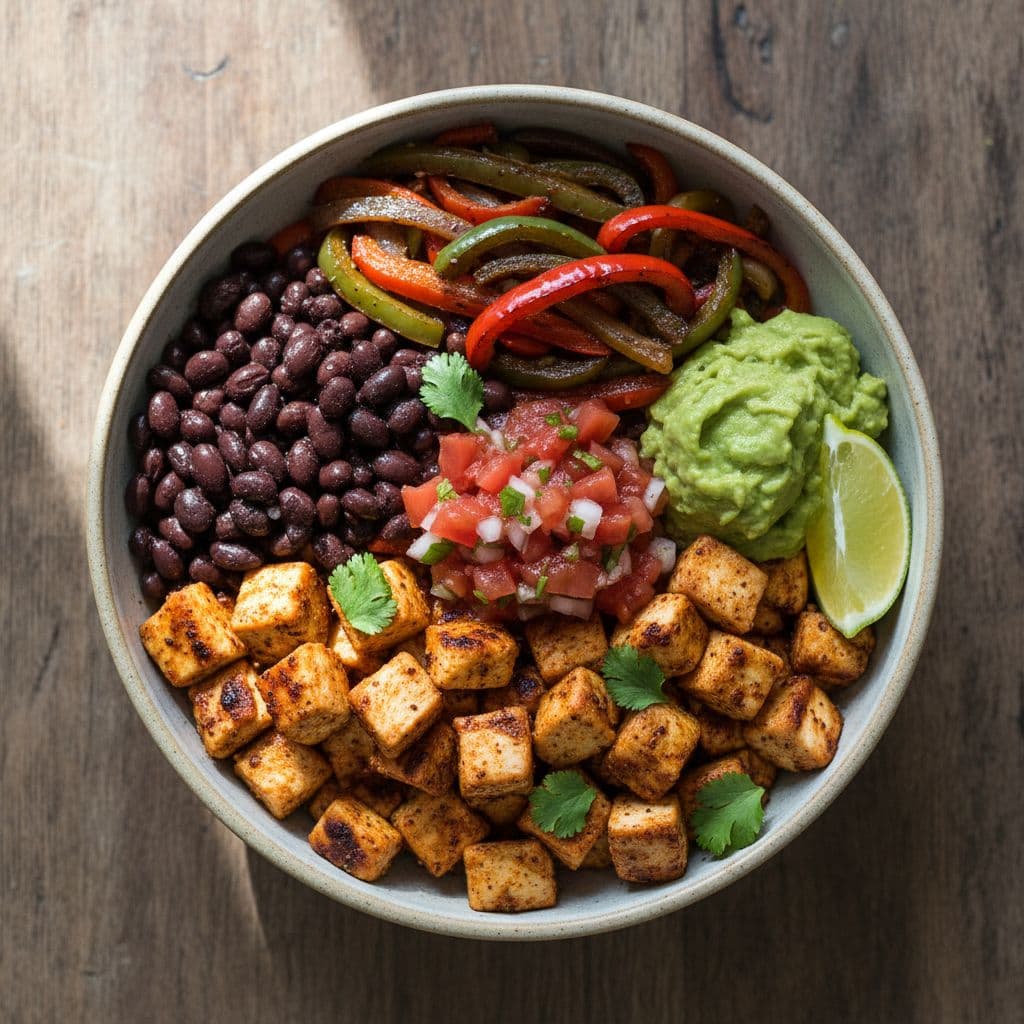
A Qdoba bowl can land near 500 calories or climb past 800, and the two can look almost the same. The base is simple. The extras are what move the number: rice, beans, cheese, queso, guacamole, sour cream, sauces, double protein. Any of them can add a lot, and portions vary a little by store. The sections below show which ones add the most.
A quick look at common Qdoba bowl calorie ranges
Recent menu references put most Qdoba bowls at about 530 to 750 calories, with many orders landing near 650. Use these numbers as a map, not a promise, because toppings and portions can change the total in a hurry.
Here’s a practical snapshot:
| Bowl type | Rough calories | What shifts it higher |
|---|---|---|
| Veggie bowl | About 530 | Cheese, guacamole, queso, extra rice |
| Chicken bowl | About 620 | Sour cream, sauces, double protein |
| Steak bowl | About 700 | Richer protein plus heavy toppings |
| Loaded burrito-style bowl | About 750 | Rice, beans, cheese, sauces, extras |
The main takeaway is simple: protein matters, but toppings usually matter more.
How chicken, steak, veggie, and burrito bowls compare
Veggie bowls are often the lightest starting point. Chicken usually sits in the middle, while steak tends to run higher because the protein itself adds more calories. A fuller “burrito bowl” style build, with rice, beans, cheese, and sauce, often lands at the top of the range.
If you want a current menu reference before customizing, the Qdoba nutrition facts table is a useful place to compare proteins and common ingredients side by side.
Why the same bowl can end up with very different calories
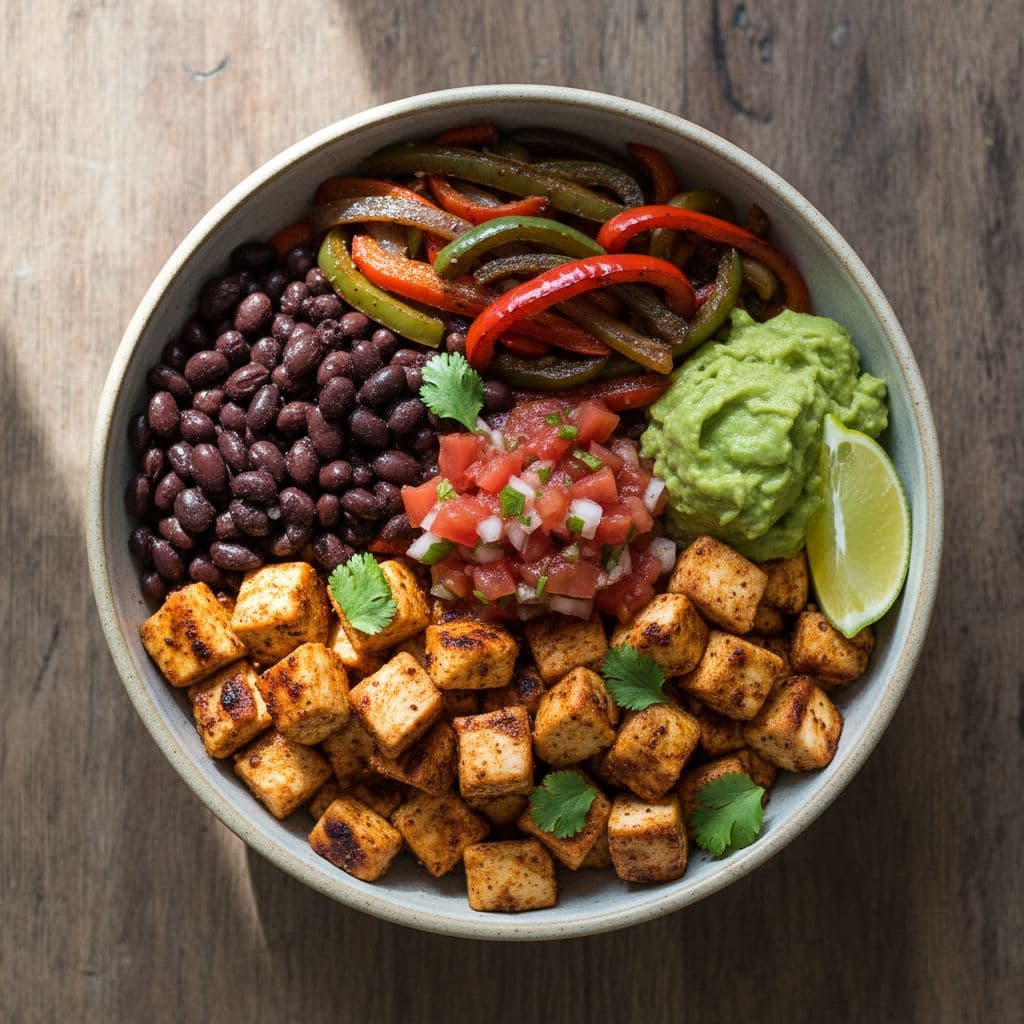
Two people can order chicken bowls and still end up far apart on calories. One might pick lettuce, fajita veggies, salsa, and beans. Another adds rice, queso, sour cream, cheese, guacamole, and tortilla strips.
Portion size matters too. A heavier scoop of rice, extra cheese, or double meat can change the total more than a simple protein swap. Fast-casual serving sizes aren’t perfectly identical, so the same order can vary a bit from visit to visit.
The toppings that add calories fast
Most calorie jumps come from ingredients that are easy to pile on because they taste rich and filling. So, the first place to look isn’t salsa or lettuce. It’s the dense toppings and second scoops.
If you want the fastest calorie cut, trim rich extras before you cut veggies, salsa, or lean protein.
Rice, beans, and cheese: the base that builds up quickly
Rice and beans can absolutely fit in a balanced bowl. Beans add fiber and protein, and rice adds staying power. Still, when you add both and then top them with cheese, the total rises fast.
For many people, choosing one main base works better. Keep rice and skip beans, or keep beans and go lighter on rice. That gives you room for protein and flavor without making the bowl feel overloaded before the sauces even show up.
Queso, sour cream, guacamole, and sauces are the biggest extras
These are the toppings to watch first. Queso, sour cream, guacamole, and creamy sauces can raise calories faster than almost anything else on the line. Each one may feel small, but stacked together they change the whole bowl.
You can see the same pattern in the nutrition calculator. Rich add-ons move the total much more than salsa, pico, lettuce, or fajita veggies. If you want to cut back without making the meal bland, choose one rich topping and let fresh salsas carry the rest of the flavor.
Tortilla strips and extra meat can surprise you
Tortilla strips sound minor, but they add crunch and extra calories that are easy to forget. Double protein can do the same. It’s a good option for higher-protein goals, but it can push a lighter lunch into a much heavier meal.
If you want more protein without going overboard, a single scoop of meat with veggie-heavy toppings is often the better balance.
How to order a lighter Qdoba bowl without losing flavor
A lighter bowl doesn’t have to feel small. The goal is to trim the ingredients that add the most while keeping the ones that make the meal satisfying.
Choose one rich topping instead of stacking several
Start with one rich topping, not three. Guacamole or queso works well. Using both, plus cheese or sour cream, is where calories stack fast.
For flavor, lean on salsa, pico de gallo, fajita veggies, and lettuce. Those ingredients add texture and moisture, so the bowl still tastes full. A simple combo like chicken, fajita veggies, salsa, lettuce, and one richer topping often feels plenty complete.
Load up on veggies and keep the bowl balanced
Veggies make a bowl feel bigger without adding much to the total. Fajita veggies, lettuce, pico, and salsa add bite and volume, so you don’t need every heavy extra to feel satisfied.
That same approach shows up in a dietitian’s guide to eating well at Chipotle, because fast-casual bowls use many of the same building blocks. Also, pick one main carb base. Rice or beans can fit well, but both, plus chips on the side, changes the meal quickly.
Watch portions if you want to keep calories in check
Portions decide whether a bowl stays moderate or turns into a feast. Extra rice, extra cheese, double meat, and generous scoops all raise the total.
If calories matter, ask for light rice, skip extra cheese, or stick with single protein. Small swaps work better than trying to rebuild the whole order from scratch. You can still get a filling bowl, but each add-on should earn its place.
Conclusion
A Qdoba bowl can be light or heavy depending on what goes in it, and a few choices can swing the total by hundreds of calories. Rice, cheese, queso, sour cream, guacamole, sauces, and extra portions cause most of that jump. Which ones to skip depends on what you’re after: fewer calories, more protein, or a bowl that keeps you full.
5 thoughts on “Qdoba Bowl Calories and the Toppings That Matter Most”