
At Qdoba you build your own order, so a burrito can be huge or a salad can be light, and the nutrition numbers swing with it. A healthy meal is easy to put together. The high-calorie add-ons are the part people miss. Below are the 2026 Qdoba menu nutrition numbers for each ingredient, so you can see what every scoop adds before you get to the counter.
Understanding Your Base: The Foundation of Your Meal
Every meal at Qdoba starts with a choice of vessel, and this decision sets the tone for your entire calorie count. If you are looking to keep things light, the burrito bowl or a salad without the shell are the best starting points. Both of these options start at zero calories, allowing you to spend your “budget” on high-quality fillings and toppings instead.
On the other hand, the traditional flour tortilla for a burrito adds 320 calories before you even select your protein. If you opt for the taco salad, be aware that the crispy fried shell contributes a massive 460 calories. Even the corn tortillas for tacos can add up; while a single corn tortilla is only 60 calories, three of them create an 180-calorie base.
Choosing a bowl instead of a wrap is the easiest way to cut several hundred calories without losing any of the actual food. This simple swap provides more room for nutrient-dense ingredients like double vegetables or extra salsa. Understanding these foundational numbers helps you build a meal that aligns with your fitness goals from the very first step.
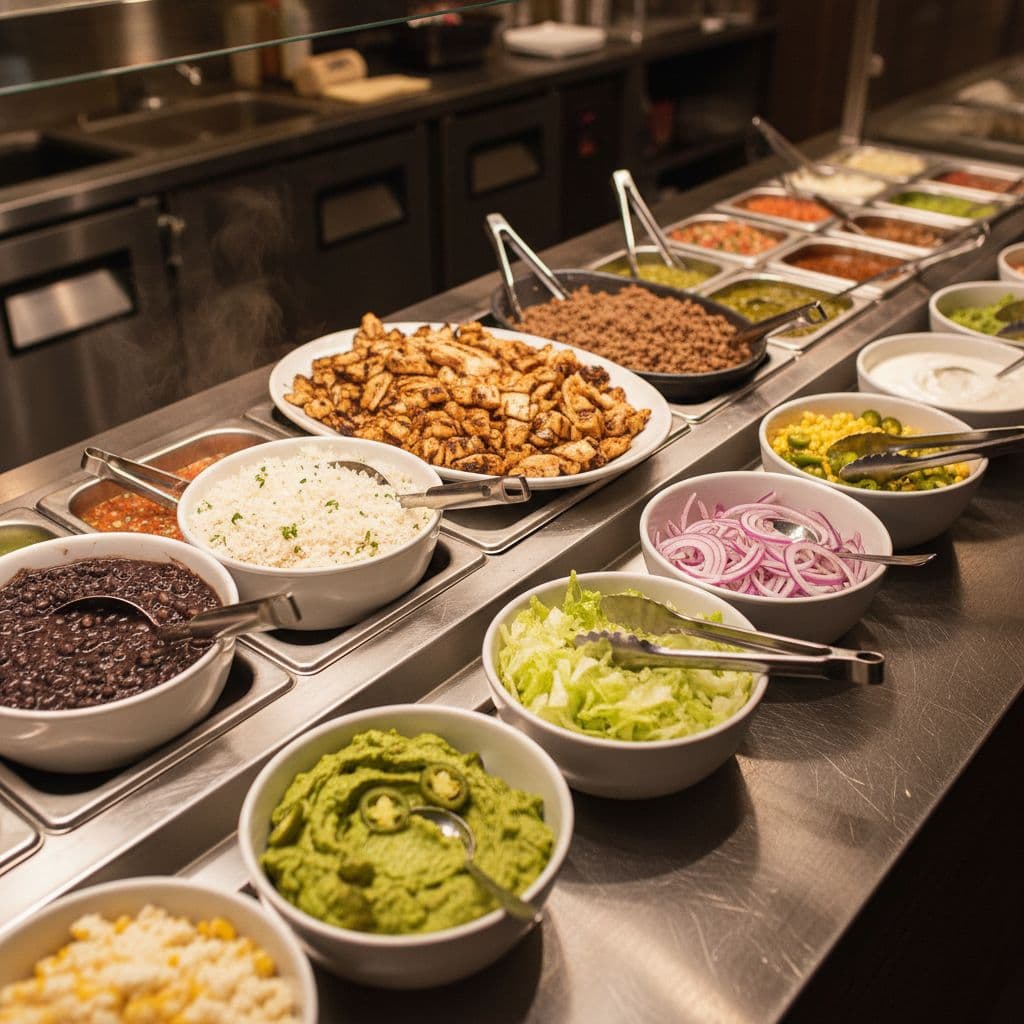
A High-Protein Guide to Qdoba Meats and Plant-Based Options
The protein you choose is the heart of your meal and provides the essential amino acids needed for muscle repair and satiety. For most diners, the goal is to find a balance between high protein content and manageable calorie counts. The 2026 menu offers a variety of seasoned meats and plant-based alternatives that cater to different dietary needs.
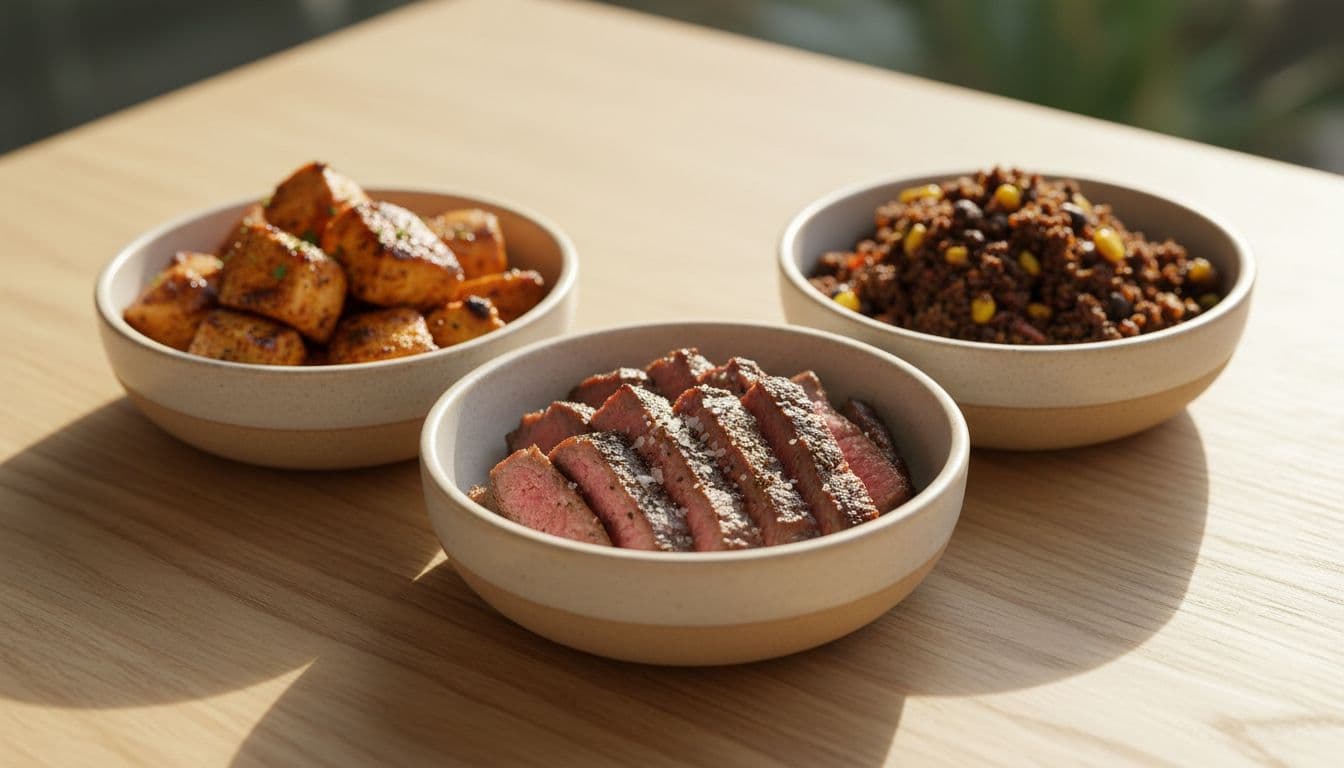
If you are watching your intake, the Adobo Chicken and Smoked Brisket are excellent choices. Both come in at approximately 170 calories per standard scoop, providing a savory punch without being overly heavy. The Grilled Steak is even leaner at 150 calories, making it one of the most efficient ways to get your protein.
Leanest Meat Choices for Calorie Counters
The Grilled Steak and Adobo Chicken are the champions of the lean protein category. The steak is particularly impressive because it is seasoned well but remains lower in fat than the ground beef option. These choices allow you to stay satisfied longer because lean protein digests slowly, preventing the mid-afternoon energy crash that often follows a heavy meal.
Plant-Based and Slow-Roasted Alternatives
For those following a plant-based diet, the Impossible protein is a popular choice, though it sits slightly higher at 190 calories. It provides a similar texture to ground beef, which also contains 190 calories per serving. The slow-roasted pulled pork, or carnitas, is another flavorful option at 170 calories. While delicious, these choices carry a bit more fat than the grilled chicken or steak, so it is helpful to keep that in mind when selecting your toppings.
Filling Up on Rice, Beans, and Healthy Grains
Rice and beans provide the fiber and complex carbohydrates needed for sustained energy. However, the type of grain you choose can change the profile of your bowl. Cilantro Lime White Rice contains 190 calories per serving, while the Cilantro Lime Brown Rice is slightly lower at 170 calories. Brown rice also offers a bit more dietary fiber, which helps with digestion and keeps you full.
Beans are a nutritional powerhouse in any Mexican-inspired dish. Black beans come in at 120 calories and bring a significant amount of fiber and plant-based protein to the mix. Pinto beans are very similar at 130 calories. Both options are far superior to adding extra rice if you want to feel full without a massive calorie spike. For a detailed look at how these ingredients impact your daily totals, you can check the official Qdoba nutrition facts and allergen information.
The Famous Toppings: Navigating Queso and Guacamole
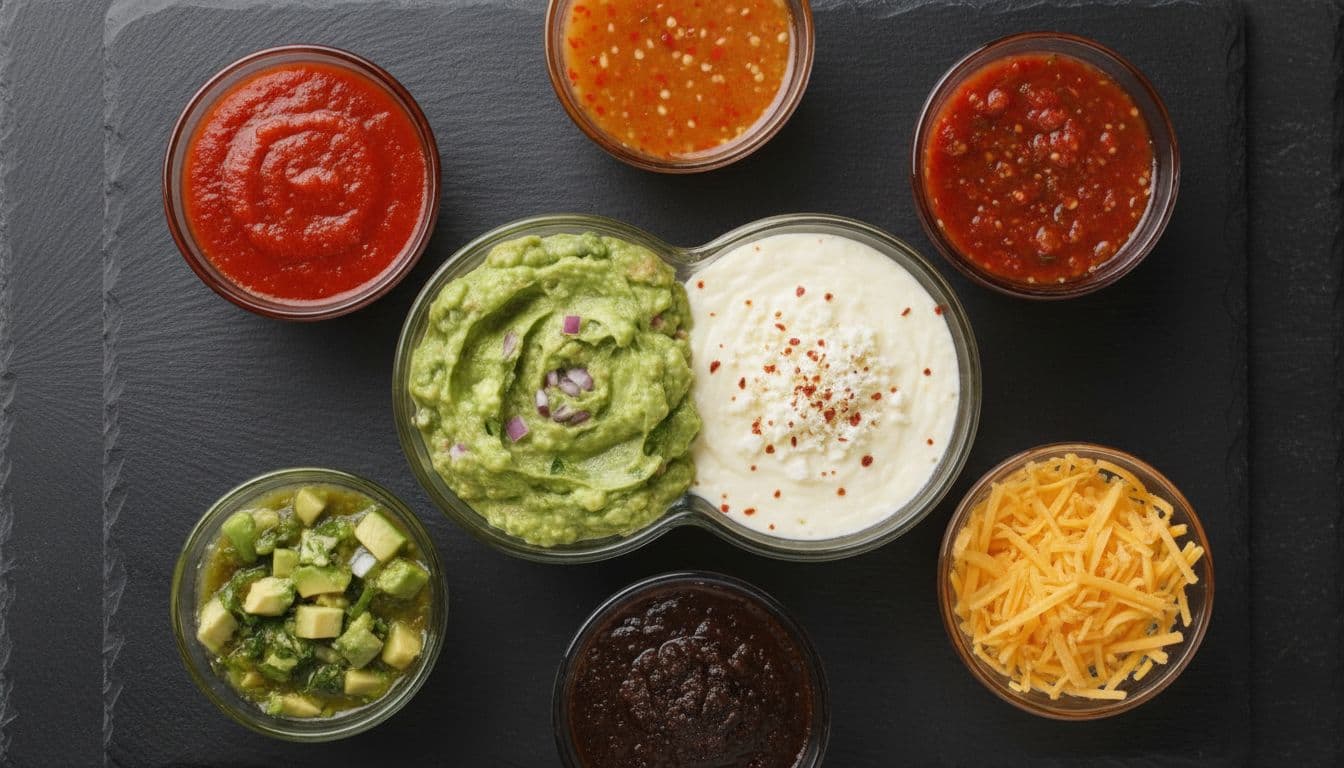
Qdoba is famous for its “Free Guac and Queso” policy. While these add-ons don’t cost extra money, they definitely “cost” extra calories. This is the section of the menu where a healthy bowl can quickly transform into a calorie-heavy meal. Adding a scoop of 3-Cheese Queso (90 calories) and Hand-Smashed Guacamole (130 calories) adds 220 calories to your bowl instantly.
If you are looking for a creamy texture without the high caloric density of queso, try adding just a small amount of sour cream (60 calories). It provides a similar cooling effect for spicy dishes with a lower impact. To see the full breakdown of every topping available this year, you can refer to the official 2026 Qdoba nutrition brochure.
Low Calorie Flavor Boosters with Salsas
Salsas are the secret weapon for anyone trying to eat healthy at Qdoba. Pico de Gallo is only 10 calories per serving and adds a fresh, crunchy texture to your meal. If you prefer a bit more heat, the Salsa Verde and Salsa Roja are also very low at 15 calories each. The only salsa to be wary of is the Chile Corn Salsa, which contains 100 calories per serving due to the natural sugars and starches in the corn.
Managing the Creamy Extras
Balance is key when it comes to the “creamy” side of the menu. Shredded cheese adds 90 calories, while the Chile Crema adds 90 calories as well. If you love the taste of cheese but want to save calories, try asking for a “light” portion or choosing between cheese and sour cream rather than getting both. These small adjustments can save you nearly 100 calories without a significant loss in flavor.
Three Smart Strategies for a Healthier Order
Eating healthy at Qdoba does not mean you have to sacrifice the food you love. By using a few strategic substitutions, you can create a meal that tastes great and fits your nutritional needs.
- Build an ‘Athlete Bowl’: Stick to high-protein, high-fiber ingredients. A combination of Adobo Chicken, brown rice, black beans, and Pico de Gallo provides a balanced ratio of macronutrients. This setup keeps the meal under 500 calories while offering plenty of fuel for your day.
- Double the Fajita Veggies: At only 60 calories per serving, fajita veggies are the best way to add volume to your meal. They provide a satisfying crunch and essential vitamins. Ask for a double portion to make your bowl feel more substantial without the heavy calorie load of extra rice or cheese.
- Watch the Sodium: Fast-casual food is notorious for high salt content. While you might be counting calories, the sodium can add up quickly, especially in the queso and seasoned meats. To keep your salt intake in check, lean heavily on the fresh salsas and guacamole rather than processed sauces.
Key Takeaways for Your Next Visit
Qdoba fits into a healthy diet fine, as long as you pay attention to how you build the order. A bowl can come in around 500 calories and a burrito can hit 1,200. The gap is made at the counter. Start with a bowl, choose a lean protein like grilled steak or chicken, and watch the “free” extras, since they still carry calories. The 2026 numbers below show what each choice adds.