
Qdoba’s queso looks like a small extra, but it can add a lot of calories, fat, and sodium. If you track any of those, check how much you’re getting before you add it. A small scoop and a heavy one aren’t close. Look at the rest of the meal first, then decide.
What’s in Qdoba queso and why the numbers change fast
Qdoba’s 3-Cheese Queso is a small serving with a rich nutrition profile. It doesn’t bring a lot of carbs or protein, but it does add fat and sodium in a hurry.
The nutrition facts for a standard 2 oz serving
According to Qdoba’s nutrition information PDF, a 2 oz serving of 3-Cheese Queso has about 80 calories, 8 grams of fat, 5 grams of saturated fat, and 350 milligrams of sodium. It also has 3 grams of carbs and 3 grams of protein.
That calorie total may sound modest. Still, the nutrient mix tells a fuller story. Most of those calories come from fat, and the saturated fat is high for such a small amount.
In a bowl or burrito, 80 extra calories might feel easy to absorb. However, queso rarely shows up alone. If your order also includes shredded cheese, sour cream, or a flour tortilla, the total starts to climb.
A small serving of queso can fit into a meal, but its fat and sodium count are heavy for the size.
Why a bigger portion can change the picture
A 2 oz serving is easy to picture on paper. In real life, generous scoops happen, and that changes the numbers fast.
If the portion doubles to 4 oz, you’re roughly looking at 160 calories, 16 grams of fat, 10 grams of saturated fat, and around 700 milligrams of sodium. That’s before chips, a burrito tortilla, or any other rich add-on.
That jump matters because queso often feels like a minor extra. Nutritionally, a large serving can act more like a side dish. When the cup gets bigger, the fat and sodium rise much faster than most people guess.
How queso fits into a full Qdoba order
Queso looks different once it joins the rest of your meal. On its own, it seems small. In a full order, it’s one more calorie-dense topping layered onto rice, beans, protein, sauces, tortillas, or chips.
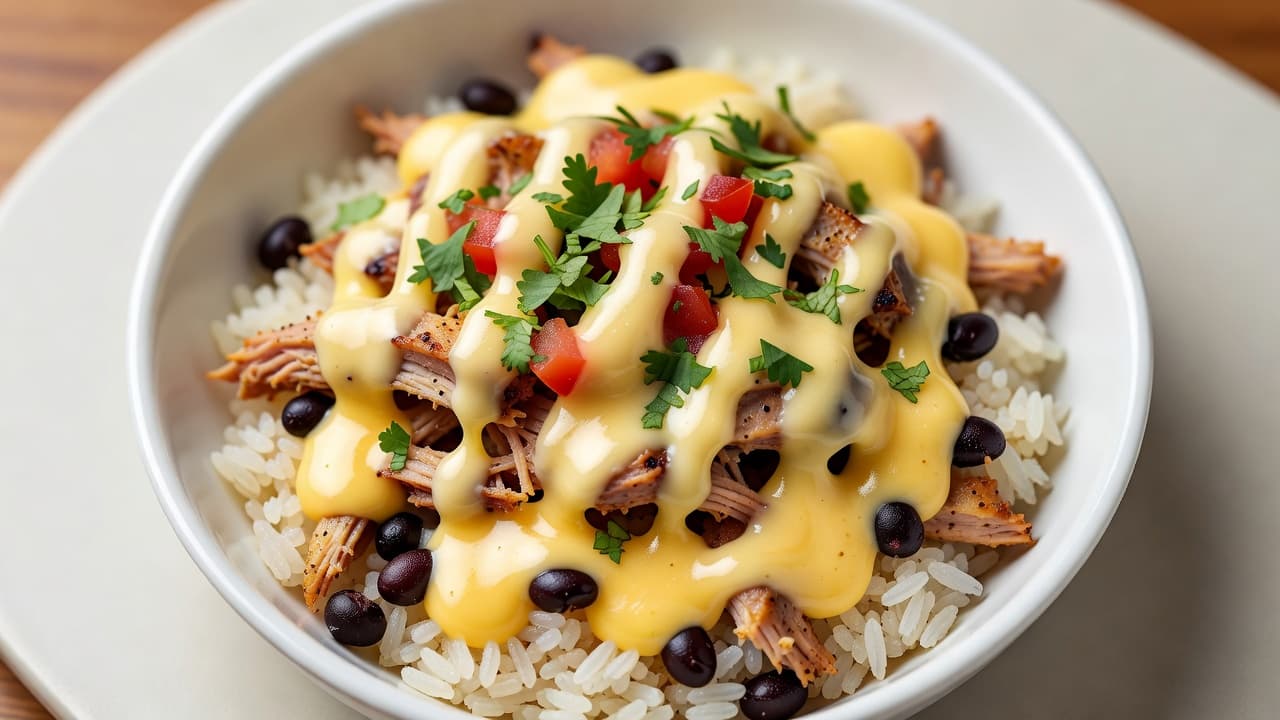
If you’re ordering a bowl, queso may be a reasonable add-on when the rest of the build stays simple. For more context on how toppings shift totals, these Qdoba bowl calorie counts show how quickly a bowl can move upward.
Queso and chips can turn into a high-calorie side
This is where many orders get heavy. A 2 oz queso adds about 80 calories by itself, but chips usually bring far more calories than the dip.
So the same queso that feels harmless on top of a bowl can become part of a much larger side when it’s paired with chips. Add a drink and a loaded entree, and the meal total can drift upward before you notice.
The lesson is simple. Queso isn’t always the main driver, but it often joins foods that are already rich.
Smart ways to enjoy queso without overdoing it
A few small choices make a big difference. Adding queso as a topping instead of ordering a full side is one of the easiest ways to keep the meal in check.
It also helps to split chips with someone else, or skip them and put the queso on tacos or a bowl. If queso is your must-have item, consider passing on sour cream or extra cheese in the same order.
That approach keeps the flavor while trimming the parts that stack most quickly.
How to make a better choice if you watch calories, fat, or sodium
You don’t need to avoid queso to eat with intention. You only need to match the portion to your goal.
For side-by-side comparisons, the site’s Qdoba nutrition facts can help you check queso against salsa, guacamole, cheese, and other add-ons before you order.
Best choices for a lighter meal
A lighter order usually starts with the base. Bowls often give you more control than burritos because you can skip the tortilla and keep portions easier to judge.
If you want queso, keep the rest of the meal simpler. Choose lean protein, go heavy on fajita veggies or pico, and keep other creamy toppings limited. One small queso portion on a bowl often works better than queso plus chips plus sour cream.
Drinks matter too. Water, sparkling water, or unsweetened tea leaves more room in the meal for toppings you actually want.
When to be extra careful with sodium and saturated fat
Queso deserves a closer look if you watch blood pressure or heart health. In only 2 ounces, it brings about 350 milligrams of sodium and 5 grams of saturated fat.
That can be manageable on its own. Yet Qdoba meals already include seasoned meats, tortillas, beans, cheese, and sauces that add more sodium. Once queso joins a richer build, the total can become harder to control.
The same goes for saturated fat. A small amount is one thing. A bigger cup, plus cheese or sour cream, can take a large bite out of your daily target.
Conclusion
A small serving of Qdoba queso starts at about 80 calories, which is easy to work into a meal. The trouble is that bigger servings add fat and sodium quickly. So judge the whole order, not the queso alone. If queso is on the tray, go lighter on the other extras, like cheese and sour cream.
Pingback: QDOBA Steak Nutrition: Calories, Macros, and Meal Choices