
Qdoba sides look small on the tray, but a scoop of rice, a spoonful of cheese, or chips with guacamole can shift a meal’s calories, carbs, fat, and protein noticeably. Portion size and toppings matter more than which side you pick. A light scoop stays small. A heavy one doesn’t. If you’re after fewer calories or more protein, that’s where to adjust.
How QDOBA sides nutrition works in real life
QDOBA side nutrition isn’t one simple number. A lighter side built with salsa, beans, or veggies can fit almost any plan, while the same basic side turns heavier once cheese, sour cream, guacamole, rice, tortillas, or queso get added.
That matters because sides are built, not always fixed. One person orders a small bean-based side and stays moderate. Another adds rich toppings and ends up with something closer to a second entree.
Why portion size changes the numbers so much
At QDOBA, scoop count matters. If you got an extra scoop, you need to count extra calories, carbs, fat, and protein too. For accurate tracking, log each side as its own item and match the serving size to what you actually received. QDOBA’s nutrition and allergen page helps because it lists items by serving.
The ingredients that add calories the fastest
The fastest calorie jumps usually come from cheese, sour cream, guacamole, queso, rice, tortillas, and creamy sauces. Those ingredients are tasty, but they’re dense. On the lighter side, salsa, pico, lettuce, and fajita veggies add flavor and volume without the same jump. Beans sit in the middle, because they add more substance and some protein without turning a side into a calorie bomb.
The lowest-calorie QDOBA sides and when to choose them
If lower calories is your goal, mini bowls and smaller bowl-style sides usually make the most sense. They give you more control, and they don’t force you into chips, tortillas, or cheese-heavy builds. A side with beans, fajita veggies, and salsa can also be more filling than it sounds.
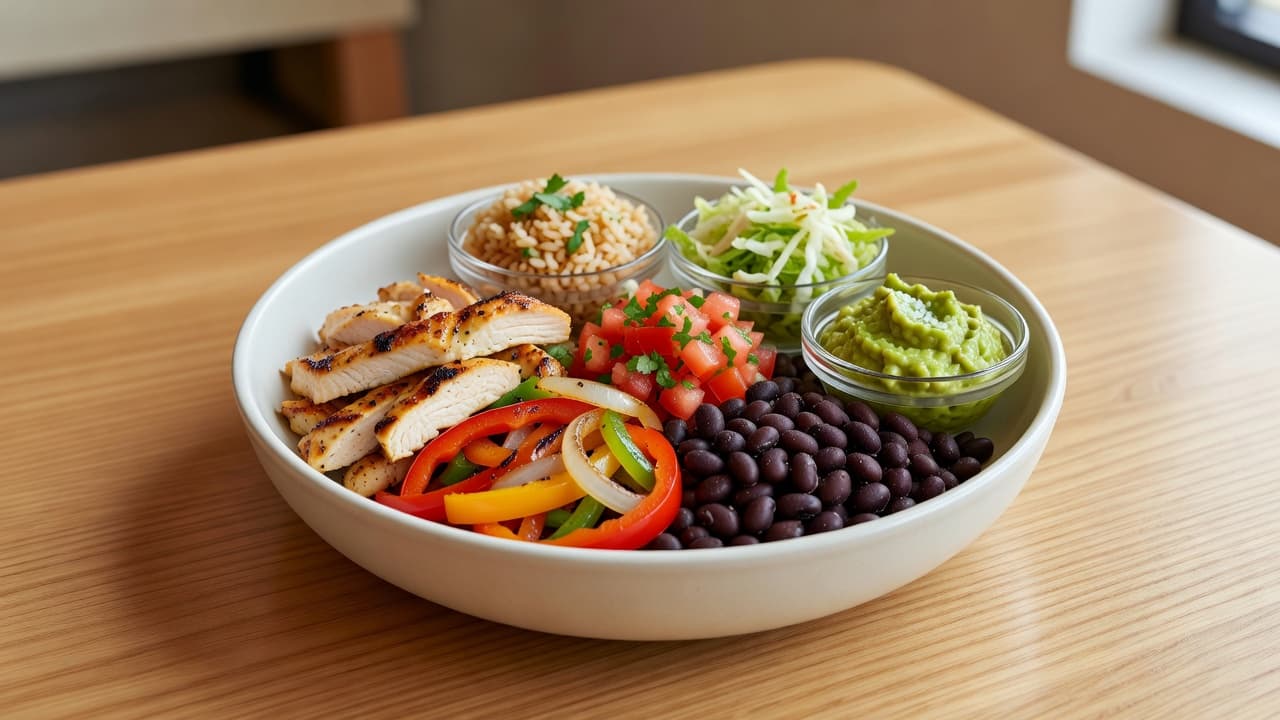
Mini bowls and smaller sides for lighter meals
Mini bowls are often the lightest choice because the portion starts smaller. When you build one with beans, salsa, veggies, and maybe a lean protein, it often stays in the low hundreds instead of creeping toward full-meal territory. Once rice, queso, sour cream, and extra cheese pile on, the number climbs fast.
How to keep a side satisfying without making it heavy
The best move is to add bulk with beans, fajita veggies, and fresh salsa. Those choices make a side feel like real food, not an afterthought. If you want something richer, pick one heavy topping instead of stacking several. A little cheese or guac can fit; cheese plus queso plus sour cream usually changes the whole math. For quick side-by-side checks, the site’s Qdoba macros and calories guide makes it easier to compare lighter builds before you order.
Higher-calorie sides to watch if you are tracking macros
Some QDOBA sides are much heavier by design. Loaded tortilla soup and grilled quesadilla-style options can push a meal high in calories, fat, sodium, or carbs before you even count the main entree. That matters if you planned a lean bowl and assumed the side wouldn’t move the needle.
If you’re tracking macros, the full side choice matters as much as the main order. A balanced entree can still turn into a heavy meal once the side adds dense carbs, melted cheese, or salty toppings.
Loaded tortilla soup and grilled quesadilla nutrition
Loaded tortilla soup can rise quickly once tortilla strips, cheese, sour cream, or queso enter the bowl. Grilled quesadilla-style sides usually land even higher because the tortilla and melted cheese pack a lot into a small space. They can be filling and satisfying, and they can still fit a balanced day, but they aren’t the best pick when you want a light meal.
What to check if you care about carbs, fat, or sodium
Calories tell only part of the story. Rice, tortillas, and chips push carbs higher. Cheese, queso, guacamole, and sour cream raise fat. Soup, chips, queso, and seasoned proteins can also bring more sodium than expected. If you care about the full picture, compare all the numbers, not only calories.
Simple ways to make QDOBA sides fit your goals
You don’t need perfect math every time. Small swaps do most of the work. Build the side around protein or vegetables when you can, keep rich toppings to one, and start with the smaller portion.
That approach works well for normal fast-casual ordering. It also leaves room for the foods you actually want.
Best picks for weight loss or lower calories
A mini bowl with beans, fajita veggies, and salsa is a smart choice. So is a plain side built without extra cheese or creamy sauces. If you’re watching calories, skip automatic add-ons, count each extra separately, and save chips or queso for the times you truly want them.
Best picks for more protein and better fullness
Sides with beans or added chicken usually keep you fuller than chips alone. Protein helps a meal feel complete, and it cuts down the fast hunger rebound that comes with carb-heavy sides. Before ordering, you can compare serving sizes, sodium, and macros in QDOBA’s nutrition PDF so your choice matches your goal.
Conclusion
What a Qdoba side does to your meal depends mostly on portion size and toppings. Beans, salsa, and veggies keep it light. Tortillas, cheese, queso, sour cream, and guacamole don’t. You can still have a side and stay on plan, as long as you count the extras.